
Someone calls a business to book an appointment. A learner practises a conversation aloud. A technician talks through a report while inspecting equipment.
These are useful starting points for an AI voice app. They already happen through speech, and you can tell whether the conversation helped.
These seven ideas draw on examples from businesses using OpenAI's voice technology. They cover business calls, customer support, language learning, and coaching, with published figures to help judge the size of the opportunity.
GPT-Live and the Realtime API
"GPT Voice" is informal shorthand. The names to look for in the developer documentation are GPT-Live and the Realtime API.
As of October 12, 2026, OpenAI's audio and voice documentation recommends GPT-Live for new conversational voice applications. The Realtime API remains available for apps using its session and tool model.
GPT-Live handles the spoken conversation while a separate backend model or agent works on tasks. It can listen while speaking and keep talking while that work happens. For straightforward dictation, transcription may be all you need.
Seven AI voice app ideas at a glance
| Idea | Who pays? | A useful first task |
|---|---|---|
| Receptionist | A business owner | Capture an enquiry and arrange a booking |
| Customer support | A support team | Resolve a common request |
| Language practice | A learner or employer | Rehearse a conversation aloud |
| Interview practice | A job seeker | Answer realistic follow-up questions |
| Routine coaching | Someone building a habit | Complete a short daily check-in |
| Field reports | A team working away from desks | Draft a report from spoken observations |
| Role-play training | A training manager | Practise a difficult customer conversation |
1. An AI receptionist for one industry
When nobody answers a useful enquiry, the caller may try somewhere else. A receptionist app could capture the request, answer routine questions, and arrange the next step.
Start with one kind of business: a repair service, salon, or rental operator. Learn its booking rules and the questions callers ask. A narrow pilot is easier to evaluate than a receptionist that promises to handle every industry.
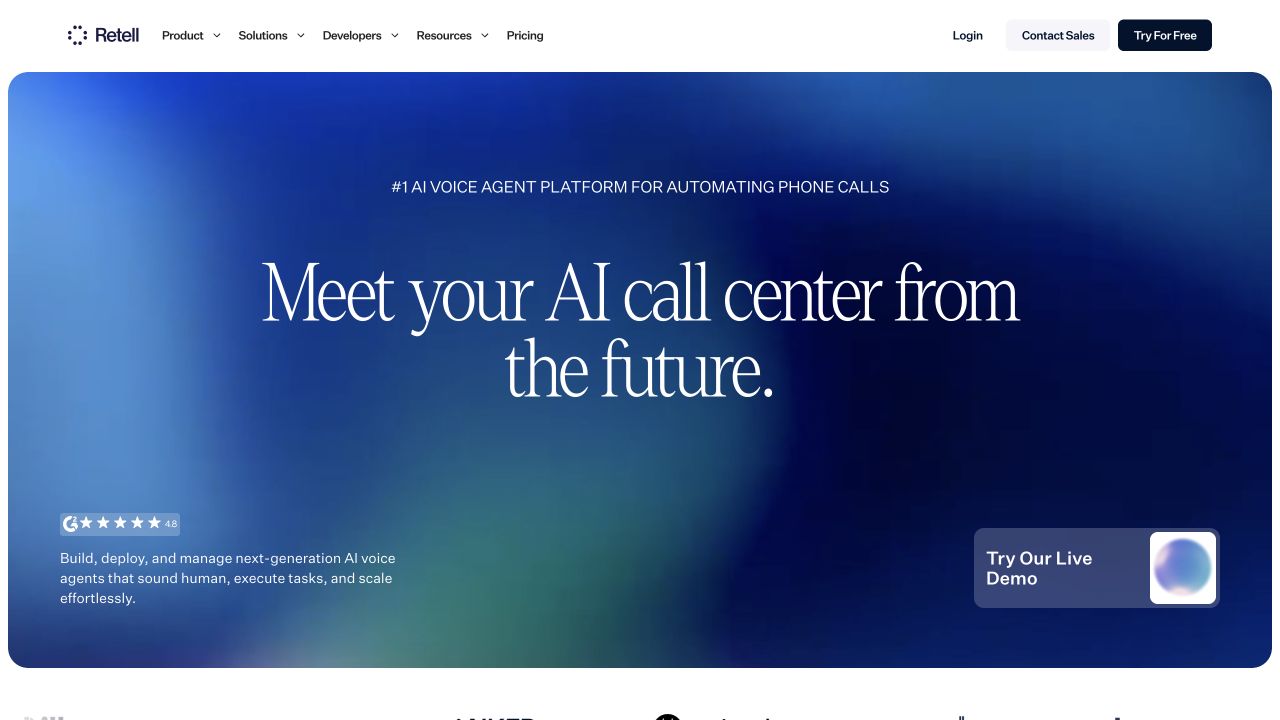
Retell AI is an established platform for AI phone agents. OpenAI documents its use of GPT-4o, and Retell has announced a Realtime API integration. Its company-authored Y Combinator job listing reports $80 million in ARR, checked on October 12, 2026.
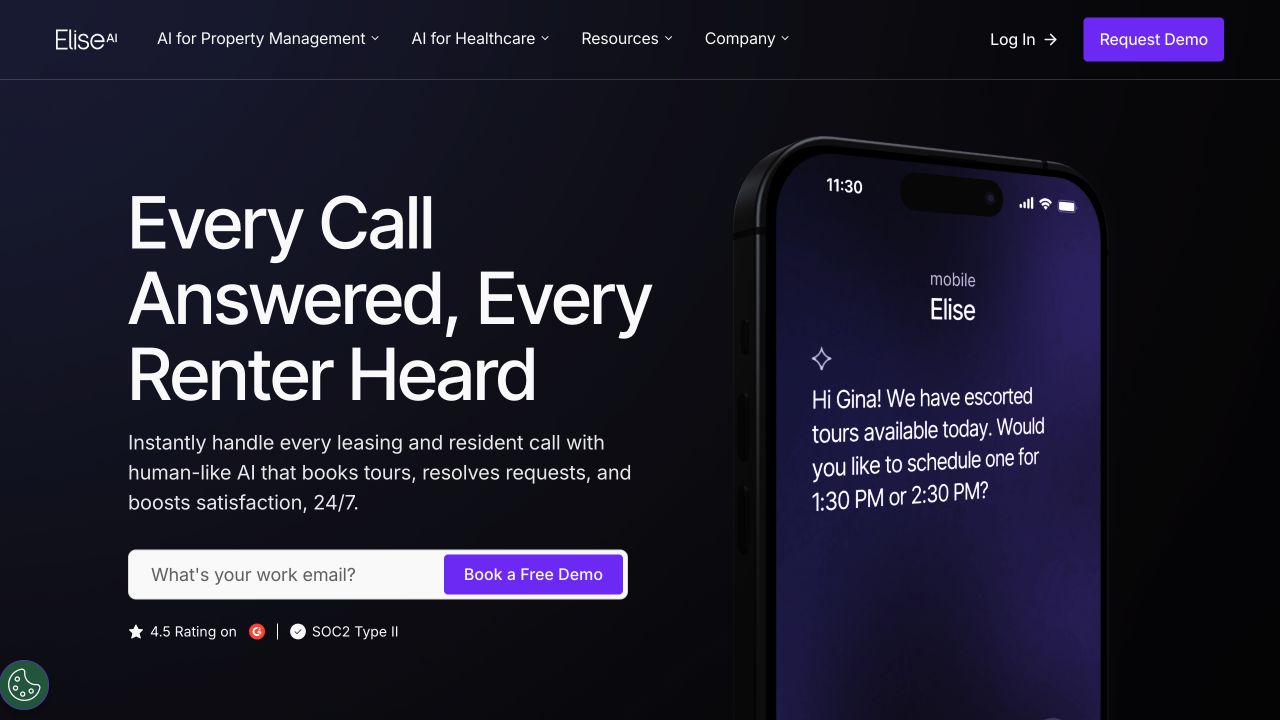
EliseAI shows how specific this can become. Its housing product handles leasing and resident calls. Its August 2025 announcement reported more than $100 million in company-wide ARR. In September 2026, it announced work with GPT-Live-1 on healthcare voice workflows.
Look for booking rules or integrations that existing tools handle poorly. The pilot should measure accurate bookings and useful handoffs, rather than how long the agent can talk.
2. Voice customer support
People call support because they want something sorted out. A useful agent needs the information and actions required to do it.
An equipment-rental support tool could check a booking and explain pickup requirements. An online-shop agent could begin with order status and return instructions. Both are clearer first products than an assistant for every support problem.
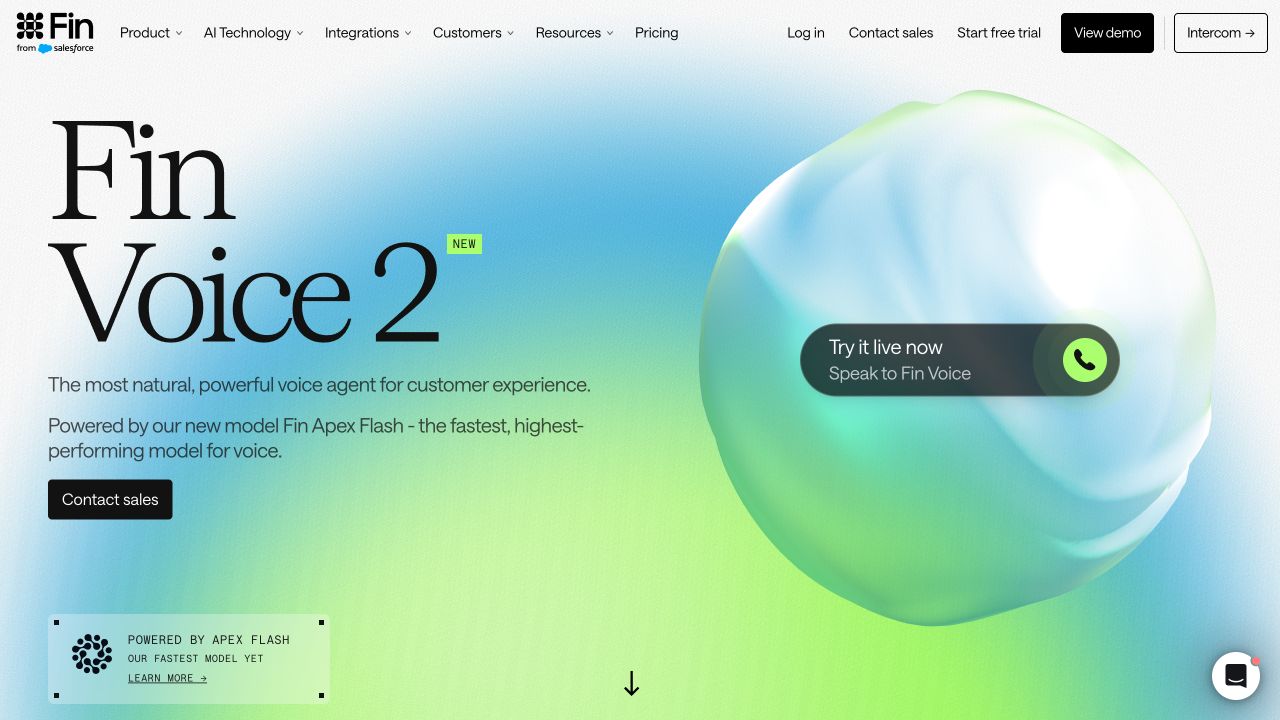
OpenAI's July 2025 Intercom case study documented Fin Voice's use of the Realtime API. Its 2025 enterprise AI report said Fin Voice customers were seeing 53% of calls resolved end to end on average.
The current Fin Voice page advertises Fin Apex Flash. The OpenAI reports describe its earlier stack.
Review every conversation in an early pilot. Where did the agent lack information? Which requests needed staff? The buyer cares about resolved requests and time saved, so those are the results to track.
3. Language conversation practice
Someone can recognize a word on a screen and still struggle to use it in conversation. Language apps such as Speak and Yapkin offer spoken practice to help bridge that gap.
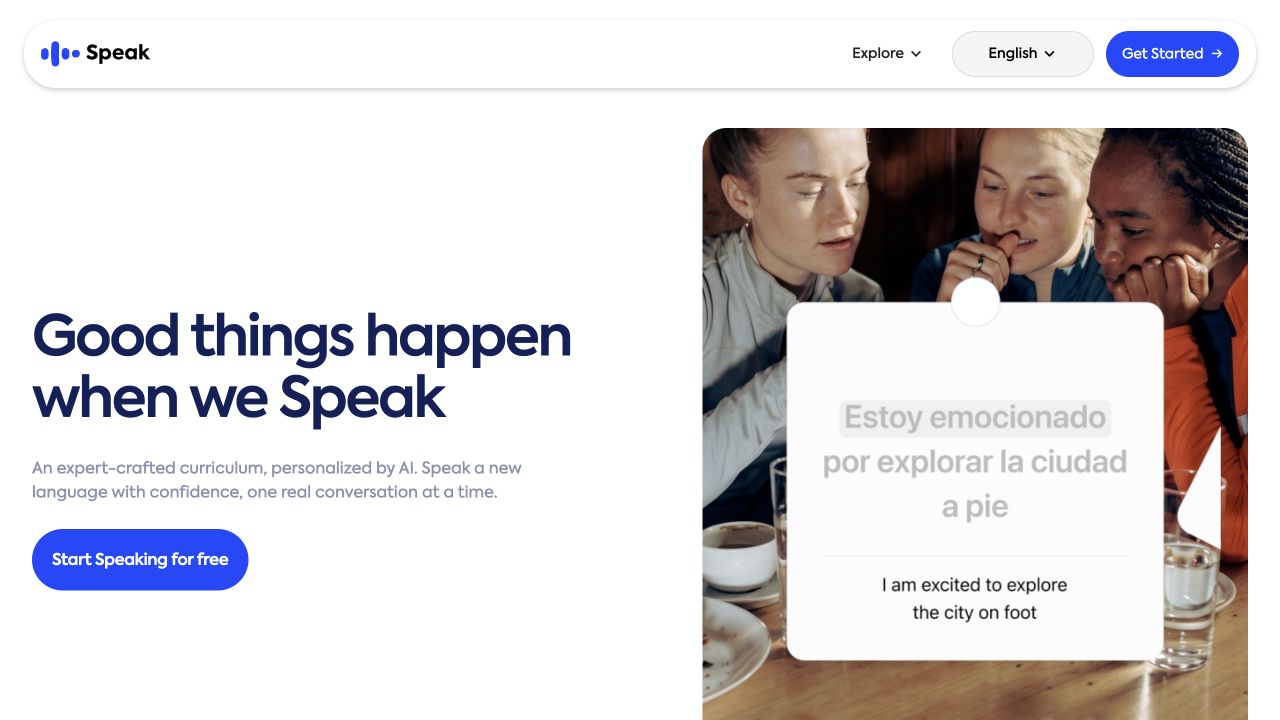
OpenAI named Speak as a Realtime API partner for role-play. In December 2024, Speak announced a $78 million Series C at a $1 billion valuation and reported that users had spoken more than a billion sentences that year.
A new product could focus on a specific audience: hospitality staff preparing for guest conversations, people moving abroad, or learners practising for a speaking exam. Each has different situations to rehearse. Good feedback needs to reflect the conversation they're preparing for.
4. Interview and presentation practice
Writing a good answer doesn't mean it will come out clearly in an interview. A voice app can ask follow-up questions, let someone try again, and help them notice where their explanation loses focus.
Make the practice specific to a role or format. A customer-success interview involves different scenarios from a research presentation. That specificity also gives you a better way to judge the feedback.
Useful feedback points to something in the answer: an example they left out, a question they didn't address, or an explanation that needs work. It shouldn't pretend to predict hiring outcomes from how somebody sounds.
A paid practice pack may fit better than a subscription. Many people prepare intensively for a few weeks and then stop until their next interview.
5. A voice coach for a daily routine
A short check-in can be easier to complete by talking than by filling out a form. The person might review a study session, plan tomorrow's work, or reflect on a workout.
Healthify is an established example in the wider coaching category. OpenAI named its Ria coach as a Realtime API use case. A separate OpenAI case study described a platform with more than 40 million users. That count covers the broader platform.
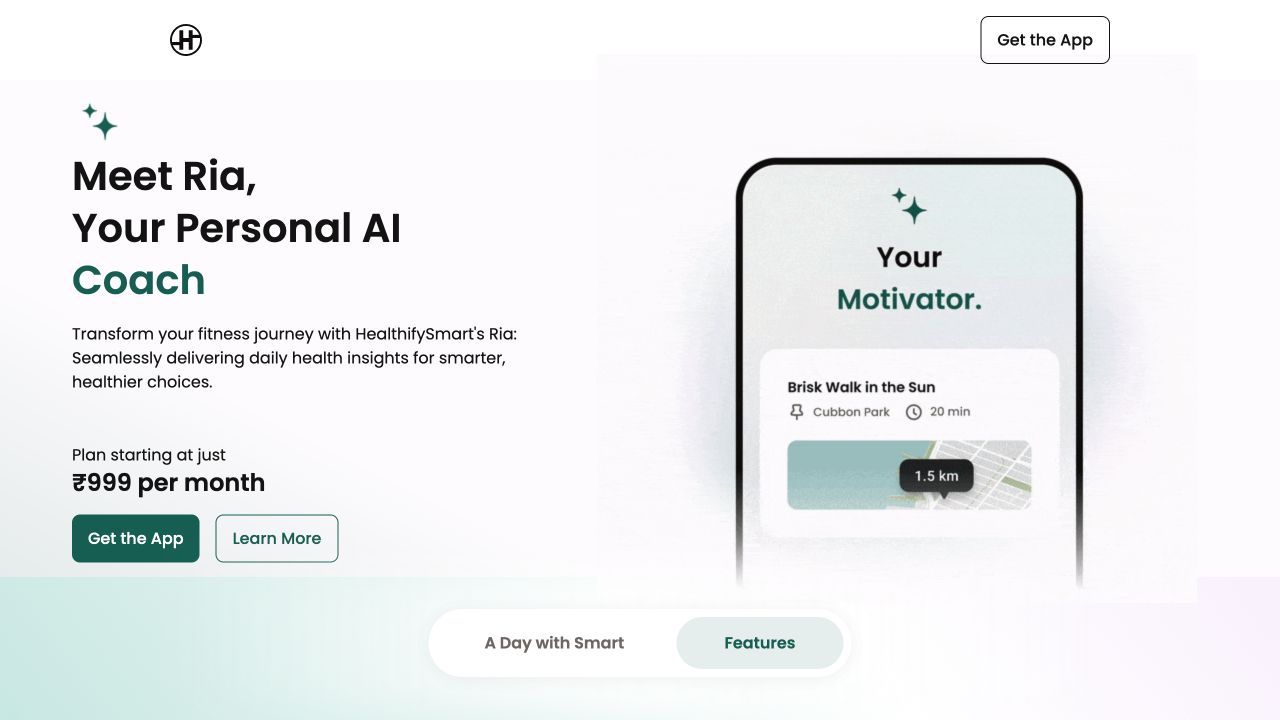
Pick a routine with a concrete result. Did the person finish a study session or make a plan they can use? A pleasant conversation is easy to try once. Tomorrow's check-in needs to be useful enough to return for.
6. Spoken reports for work away from a desk
A technician inspecting equipment has details to record while looking at the equipment. Typing a report on a phone interrupts that work.
A voice app could ask for missing details, turn the answers into a draft, and leave the person to review it. The customer pays for less manual entry and more complete records.
Compare this with simple dictation before choosing a live voice API. Conversation is useful when follow-up questions catch missing information. If the task is just converting speech into text, transcription may be enough.
Pilot one report type with one team. Measure the time saved, the time spent correcting the draft, and the fields people still miss.
7. Role-play training for teams
Support staff, sales representatives, and managers regularly face conversations that are difficult to practise alone. A voice tool could play a hesitant customer, a confused caller, or someone receiving difficult feedback.
The training manager needs scenarios tied to the real work. Feedback should follow a clear rubric that they can review.
Begin with one recurring situation, such as a cancellation request or explaining a service limitation. Ask managers whether the practice teaches the response they want, and ask employees whether it prepares them for the actual conversation.
This is a possible team subscription because training recurs as people join, responsibilities change, and new situations come up.
Which idea should you start with?
Choose an audience you can reach and a conversation you understand well enough to evaluate.
For a business tool, ask what happens today when the call is missed or the report stays unfinished. For a consumer tool, ask why somebody will return after the demo.
Before building, write down:
- Who pays, and what they already spend time or money on.
- One conversation the first version should handle well.
- What counts as success, including when a human should take over.
- The expected session length and cost.
- How you will find your first customers.
Check the current API pricing when choosing a model. Old launch prices make poor budget assumptions, and a ChatGPT subscription doesn't cover API usage.
The guide to defining a useful MVP can help keep that first version manageable. If you're exploring mobile products more broadly, AI identifier apps are another category built around a specific task.
Then run a small pilot. Ten useful conversations with people you can talk to will teach you more than a polished demo for an audience you haven't met.